Bridging the Education Gap for Tribal Children in Gujarat: A Reality Check
Per the Jesuits Global network, a community education initiative in Gujarat is pushing structured learning and direct support toward marginalized tribal children.
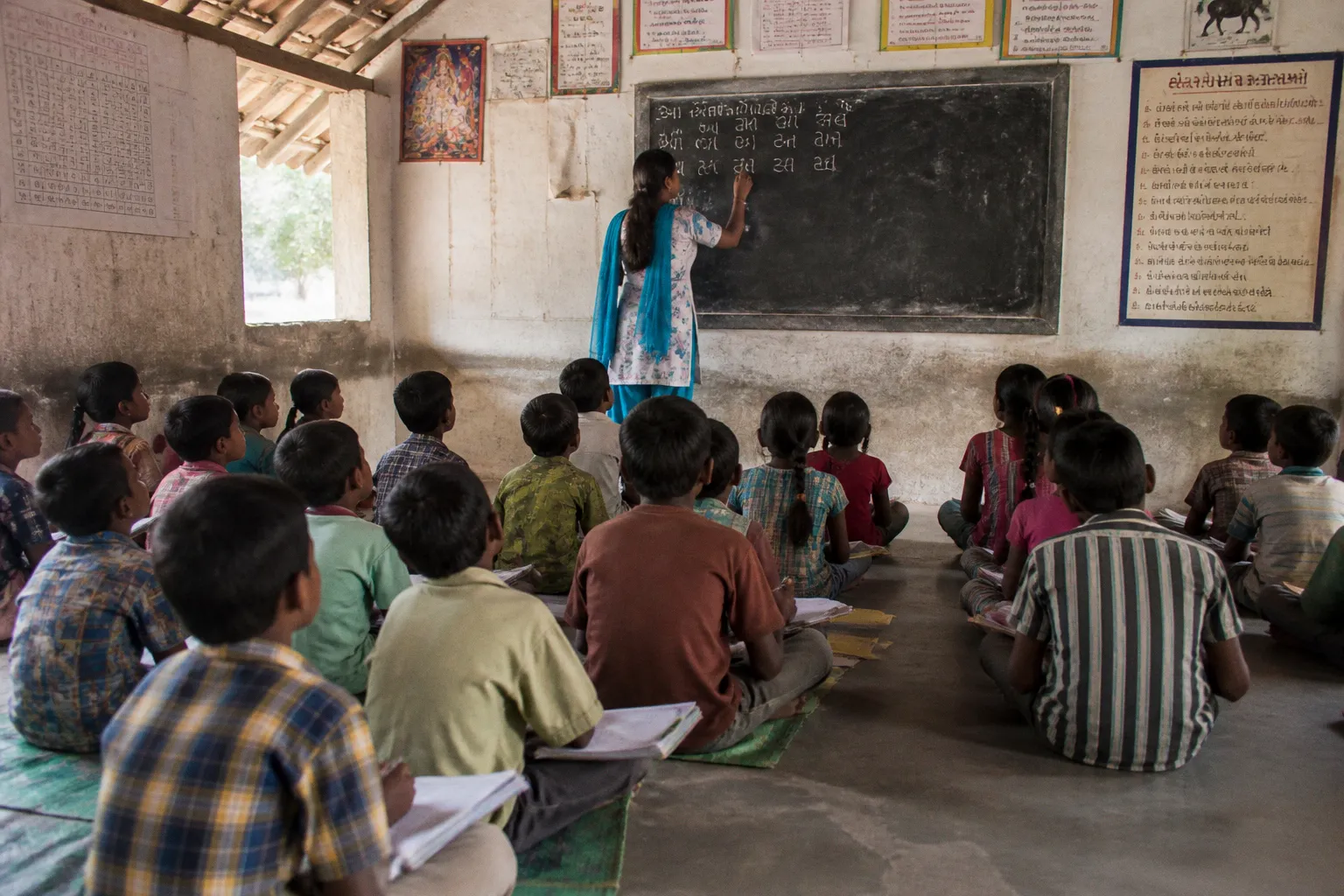
We have ridden enough kilometers to know a press release is not a classroom — so here is how we read this from the saddle, and where the friction sits.
What the wire actually says
The only hard fact on the wire is this: Jesuits Global flagged a community education initiative in Gujarat aimed at quality education and support for tribal children. That is it. No district named, no partner NGO listed, no enrollment number, no budget figure. For our kind of work, that is a starting coordinate, not a destination. Before anyone loads a support truck, three verifications run first: which local body runs the school day-to-day, which government block the district falls under, and whether the host tribal council has signed off on outside involvement.
Background pressure matters here. The CSR Universe's 80-year look at tribal development in India lays out the structural gaps in education, healthcare, and infrastructure for indigenous communities. That reframes the Gujarat item. This is not a one-room anomaly. It is one node in a long chain of districts that have been underbuilt since Independence. The practical consequence: we budget for repeat runs into the same area, not one glossy handover.
Friction points we screen for before pulling in
Three things kill rebuilds in tribal Gujarat, and they are easy to miss from a city desk.
First, monsoon access. Roads into interior tribal blocks wash out every June through September. If the partner cannot answer how materials and volunteer teams move during the wet months, the plan is not a plan — it is a calendar entry.
Second, permit friction. Non-resident volunteers entering scheduled-tribe areas often need district-level coordination. If no one on the partner side has that routing mapped, we do not roll in. We anchor through a local coordinator who speaks both the dialect and the bureaucracy.
Third, the building-versus-staffing trap. A reconstructed block with no teacher rotation is a shed with a roof. We push for the enrollment roster, last year's attendance log, and the staffing plan covering the next academic year. If those do not come back clean, we redirect fuel elsewhere.
What we watch on the next pass
Three data points decide whether this becomes a work item for our network or stays on the watch list: the specific Jesuit province or partner NGO running the Gujarat initiative, the annual operating cost for the program, and whether the model is being tested in a second district. Until those land, we treat the lead as a tracking file. Pin it, ride to it later, do not convoy into it blind.