BIA Awards $2 Million to Bolster Native American Child Welfare Programs
The Bureau of Indian Affairs has announced $2 million in Indian Child Welfare Act off-reservation grants, directed to seven Native organizations working to strengthen child and family services for…
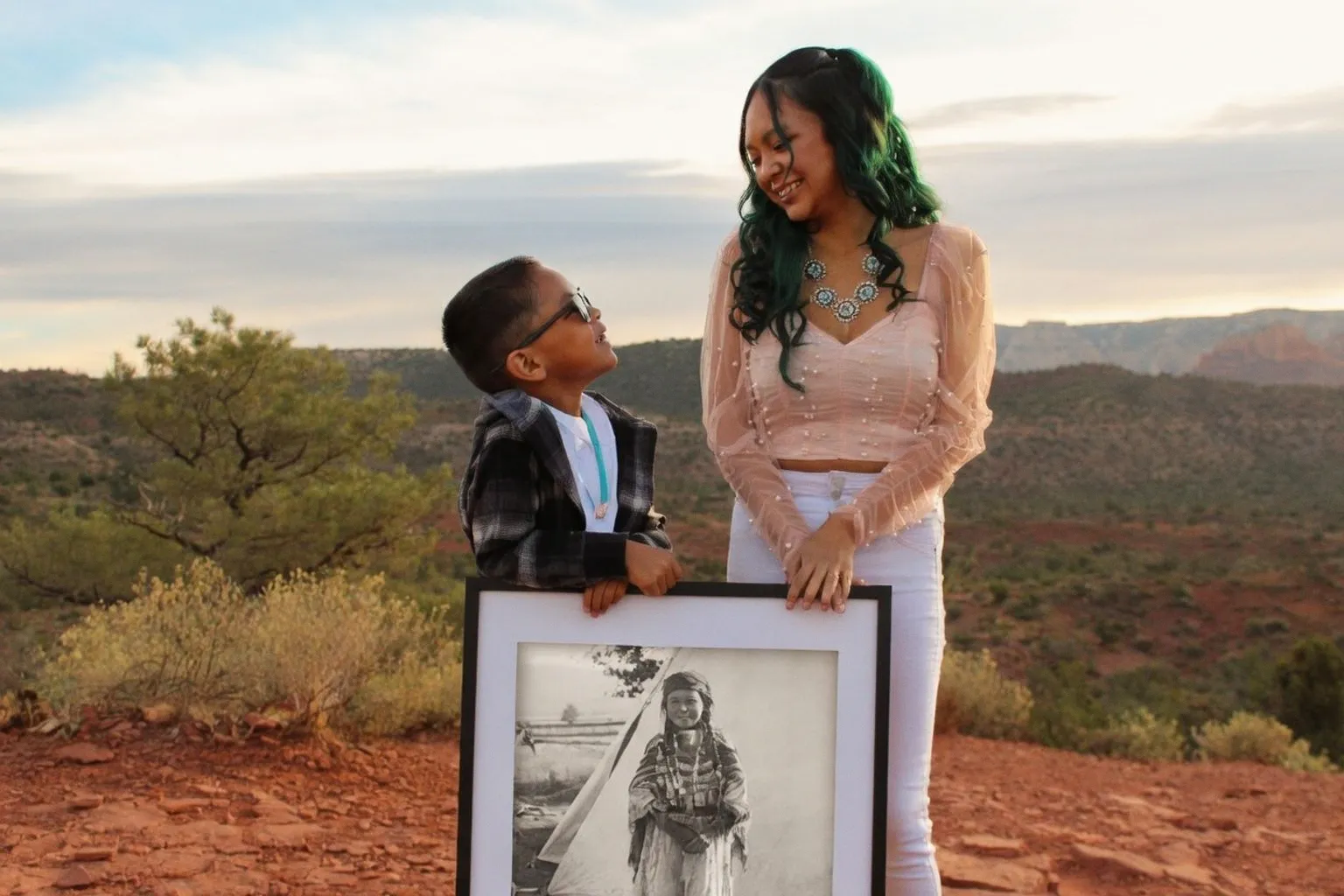
The Bureau of Indian Affairs has announced $2 million in Indian Child Welfare Act off-reservation grants, directed to seven Native organizations working to strengthen child and family services for American Indian and Alaska Native communities. The competitive awards, as reported by the BIA, are designed to fund culturally appropriate services that keep families stable and prevent unnecessary separation of children from their parents and custodians.
What the grants cover
The funding channels resources into a wide arc of child welfare work — family preservation and reunification, foster and adoptive home support, counseling, legal representation, and assistance in child custody proceedings involving Indian children. Each of these pillars, in its own way, asks the same question of the system: how do we protect a child without severing the thread that ties them to home, language, and kin? The grants are structured, according to the BIA, to ensure that removal of an Indian child from a parent or custodian occurs only as a last resort, and to bolster the surrounding networks of care that make that last resort truly rare.
Grounded in community, shaped by sovereignty
What stands out to me is the framing. The BIA describes these grants as a tool of tribal sovereignty and self-determination, enabling Native organizations themselves to deliver services responsive to the needs of their communities. Assistant Secretary for Indian Affairs Billy Kirkland said the awards strengthen the ability of Indian organizations to provide culturally appropriate services, keep Native children connected to their families and communities, and help families thrive. The language here matters — it treats communities not as passive recipients of someone else's expertise, but as stewards of their own definitions of care. The program itself is administered through the BIA Office of Indian Services Division of Human Services, which signals where this work lives inside the federal structure and how deeply it is woven into the bureau's day-to-day mandate.
A principle worth carrying forward
There is a quiet lesson in this kind of funding model, one that travels across borders and contexts with surprising ease. When we invest in the institutions that already hold a community's trust, we are not inserting help from the outside — we are reinforcing the architecture of dignity that was already there. The work of keeping a child close to family, of letting local values shape the response, of walking alongside the people who already know the terrain: this is how stewardship becomes practice rather than performance. It is the same principle I carry into every conversation with our biker crews and partner NGOs — that the most lasting change is the change a community authors for itself, and our role is to stand beside it, not in front of it.