Northern California Educators and Tribal Leaders Launch Collaborative Partnership Series
A press release from the Humboldt County Office of Education crossed our desk this month, and it's the kind of groundwork coordination we track closely.
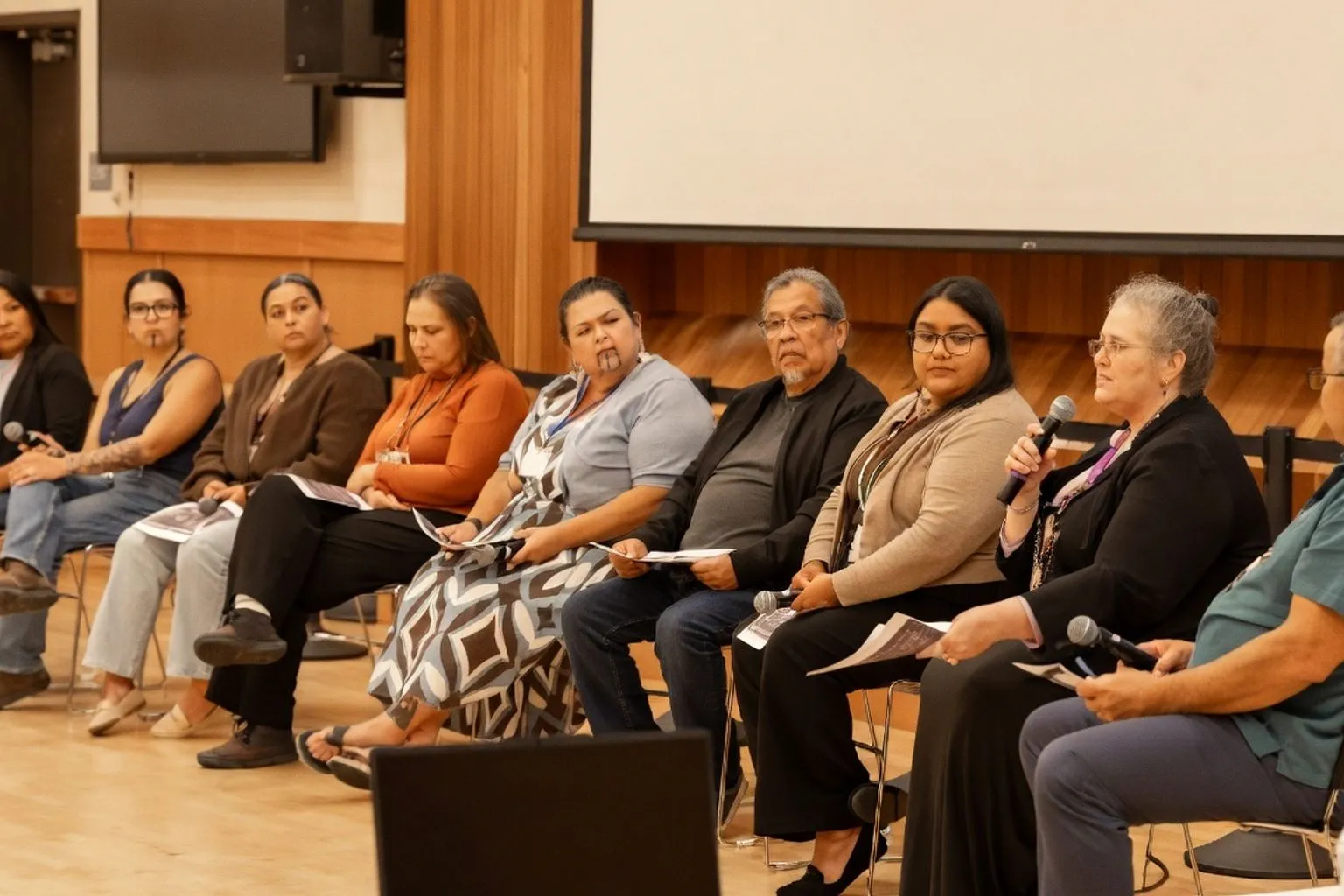
School and tribal leaders across Humboldt and Del Norte Counties convened for the first session of the Meaningful Consultation Series — a three-part push to move past procedural check-ins toward actual collaboration with Native American students and families.
What got built, and what still needs torque
The series carries a long title — "From Consultation to Collaboration: Building Relationships, Growing Partnerships" — and is hosted jointly by the Northern California Indian Development Council (NCIDC), Eureka City Schools, and the Humboldt County Office of Education. The room filled with tribal leaders, Indian Education programs, Native-serving organizations, youth programs, higher education partners, and district staff. The work traces back to 2024, anchored by the relationship between the late Karuk community advocate and NCIDC Indigenous Education leader Sonny Tripp and Eureka City Schools Superintendent Gary Storts.
Storts framed the effort in plain terms: meaningful consultation is not a box you check. The goal is reciprocal relationships grounded in Tribal sovereignty, trust, and sustained follow-through. HCOE Superintendent Michael Davies-Hughes pushed the same line, telling participants that trust gets earned through consistency and honest follow-through, not declarations. Elizabeth Hernandez, Education Director for Tsek Houdaqh — Where the Children Are, opened the gathering with a Tribal welcome and a reminder that education in Native communities has always been a collective responsibility rather than an institutional service.
Participants worked through regional data on Native American student achievement and attendance, and reviewed "Native California History," the educational primer accompanying California's Native American Studies Model Curriculum. Three sessions are planned.
Why this matters to anyone riding into a broken schoolhouse
We've hauled tools into enough crumbling campuses to know the building is rarely the actual failure point. The failure point is whether the people inside — families, tribal councils, district staff — have a working relationship before the first load of cement gets mixed. This initiative is doing the slow, unsexy groundwork: aligning schools, tribes, and community organizations on the same page before anyone promises outcomes or writes a press release about them.
For our network, the takeaway is structural. Community-driven school revival only holds when consultation is ongoing, not transactional. The three-part sequence — listen, build, follow through — mirrors the order we recommend to any volunteer crew rolling into a rural district: establish the relationship first, anchor it with a named partner on both sides, then commit to showing up more than once. Skip the relationship step and the rebuild leaks.
What to track before the next session
- Whether the remaining two sessions produce concrete deliverables or stay parked at the relationship-building layer.
- How the achievement and attendance data surfaced in session one gets folded into actual planning cycles.
- Whether the Tripp–Storts partnership model gets replicated in adjacent counties, or dissolves once the series closes.
- Who carries the follow-through when the cameras and press releases leave the room — that named person on each side is the load-bearing beam.