Nevada's Native American Tuition Waiver Faces a Critical Funding Crisis
up. The funding didn't.
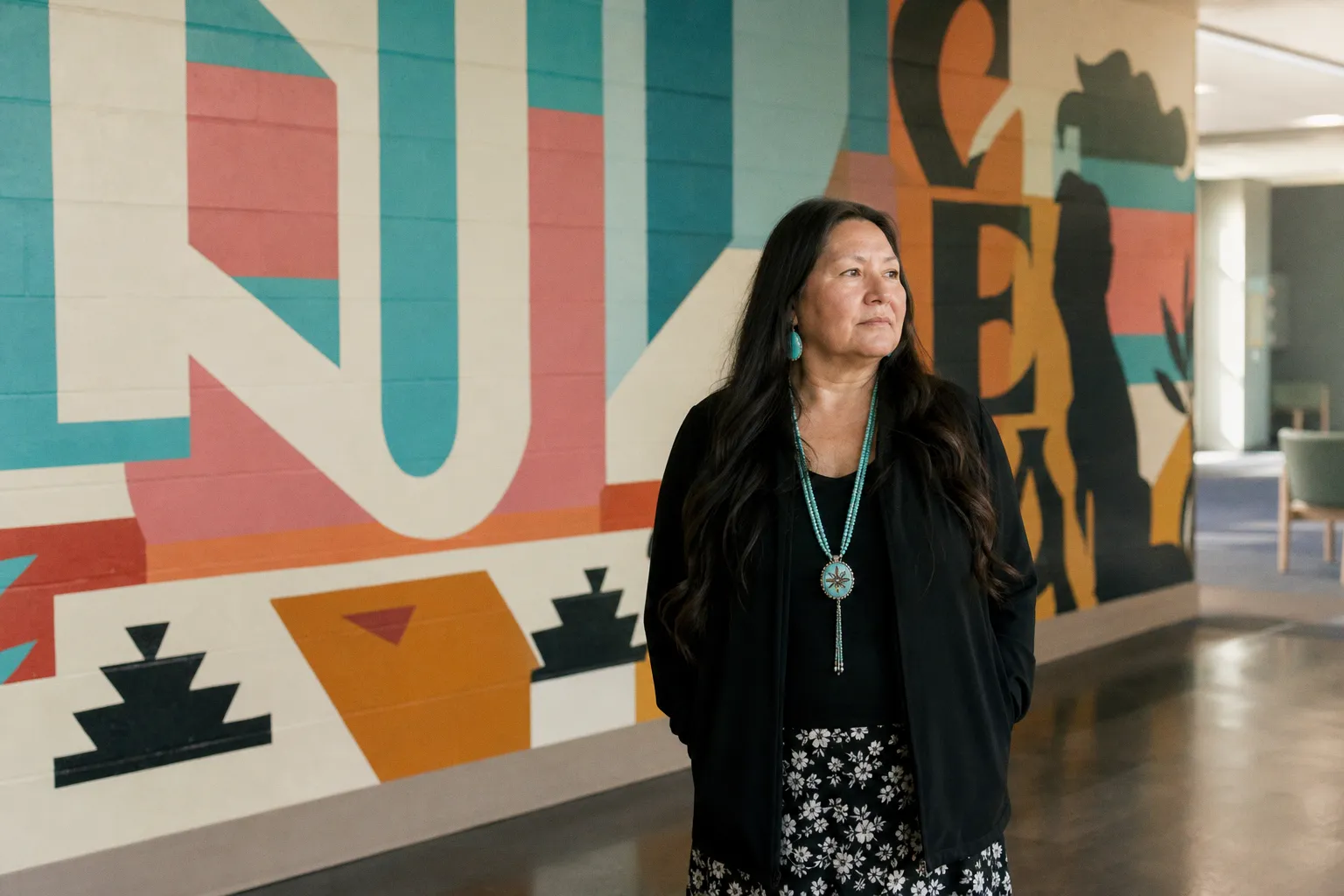
Per the Associated Press, Nevada's Native American college tuition waiver—launched in 2021 with about 170 recipients, now serving nearly 700 in the 2024-25 school year—is staring at a $3.9 million annual bill with no dedicated state line. The crash came when one-time COVID dollars ran dry. For our crews hauling materials into rural districts, this isn't a foreign headline. It's the same load-bearing question: where's the recurring revenue, and what happens when the pilot money pulls out?
The fault line
The bill, sponsored by Assemblymember Natha Anderson, widened eligibility in 2023—more students, more cost categories. Good for access. Bad for the balance sheet. The Kenny Guinn Center for Policy Priorities flagged the sustainability gap in a recent report. The Board of Regents plans to request $13.4 million for the next budget cycle. That's a request, not a guarantee. The difference between a route on the map and a road someone paved.
Two machines, two failure modes
Same week, different geography: Chhattisgarh's Mahtari Vandan Yojana routes cash transfers straight to mothers via Aadhaar-linked accounts. No intermediaries. The funds cover uniforms, textbooks, transport, digital access—the peripheral costs that force dropouts. One machine routes through the state treasury. The other through the mother's bank account. Both work until the pipeline clogs.
Nevada's version expanded faster than its appropriations. Chhattisgarh's version is tight-routed but small-volume. Read both before we back any state scheme here.
What to verify before we sign on
- Lock the funding source. One-time grants expire. Recurring budget lines don't.
- Track eligibility creep. If coverage widened faster than appropriations, the program is running on fumes.
- Read the legislative calendar. A waiver without a vote is a suggestion.
- Don't count year one. Year two is the test.
The Nevada waiver put 700 people through the door. That matters. But 700 with no money to keep the door open is a crowd, not a system. We build for the second year. Always.