Madison Nonprofit Day: Rethinking Sustainability and Leadership for Social Impact
Madison365 reports that Madison Nonprofit Day will return on Sept.
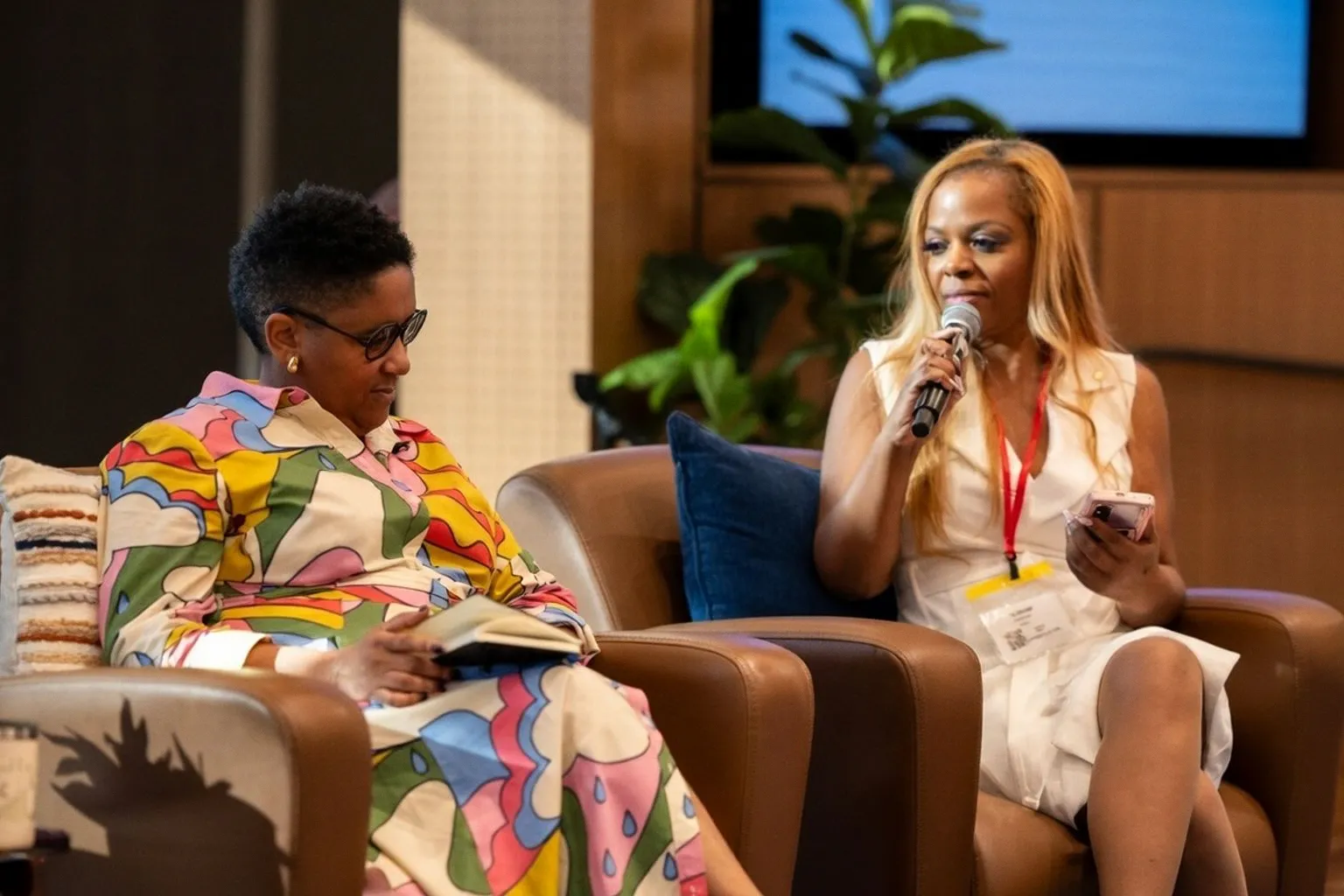
11, with the program centered on sustainability, leadership and collaboration. For teams running rural education work, the useful signal is not the event itself but the operating problem behind it: keeping a nonprofit moving when people, funding and responsibilities shift.
This is a conference announcement, not a field report. The available information does not establish the full agenda, registration conditions or which sessions will be most relevant to school-rebuilding groups. We should not treat it as a ready-made playbook. We can, however, read the focus areas as a practical checklist for our own operations.
The weak point is continuity
Sustainability is often reduced to fundraising. That is too narrow for crews working across villages, schools and long road sections. A project can have tools, volunteers and a target school, then stall because one coordinator leaves, a local contact changes, or the next funding tranche does not arrive.
Leadership matters at the handoff points. Who carries the site notes? Who knows which materials were delivered? Who can approve a bypass when the planned route fails? Who can speak to the school, the village committee and the donor without creating three different versions of the plan?
Madison Nonprofit Day’s stated focus on leadership and sustainability puts those failure points on the table. For us, that means building systems that survive a missed ride or a change in personnel. A classroom repair should not depend on one person remembering the measurements, the supplier or the agreement made on the ground.
Collaboration must reduce drag
Collaboration is useful only when it removes duplicate work. Two groups visiting the same school with separate surveys, separate material lists and separate promises do not create capacity. They create friction.
Before we call a partnership solid, we should identify the exact load it carries. Does it provide transport? Materials? Skilled labor? Local access? Records? Follow-up? If the answer is only “networking,” keep the claim small. A contact is not a route plan, and a meeting is not a completed repair.
The event’s emphasis on collaboration is relevant to biker networks because our work already crosses operating lines. Riders scout access. Volunteers move equipment. Local organizations know the school and the community. Donors cover costs. The handoff between those parts needs an anchor: one shared scope, one current status and one person responsible for the next move.
What we should check before committing
Madison365’s report identifies the date and the three headline themes. It does not, in the confirmed information available here, establish the event’s detailed schedule or its direct connection to rural education work. So we should not haul our plans toward it without checking the basics.
- Confirm the program before assigning staff, riders or travel time.
- Separate sessions on leadership and continuity from general networking.
- Look for practical material on succession, shared resources and operational systems.
- Check whether the organizers publish follow-up material that can be used by field teams.
- Do not count attendance as impact. Count the procedure, contact or partnership that survives after the event.
The hard test is simple: if a new coordinator can take over a school project without rebuilding the file from memory, the system is doing its job. If not, the failure is structural. An event can flag the problem. We still have to torque down the fix.