India and Nepal Partner on Eight New Community Development Initiatives
As reported by EdexLive, the agreements were inked between Indian embassy representatives and Nepali government agencies, but the announcement stops short of naming locations, project costs, or execution timelines.
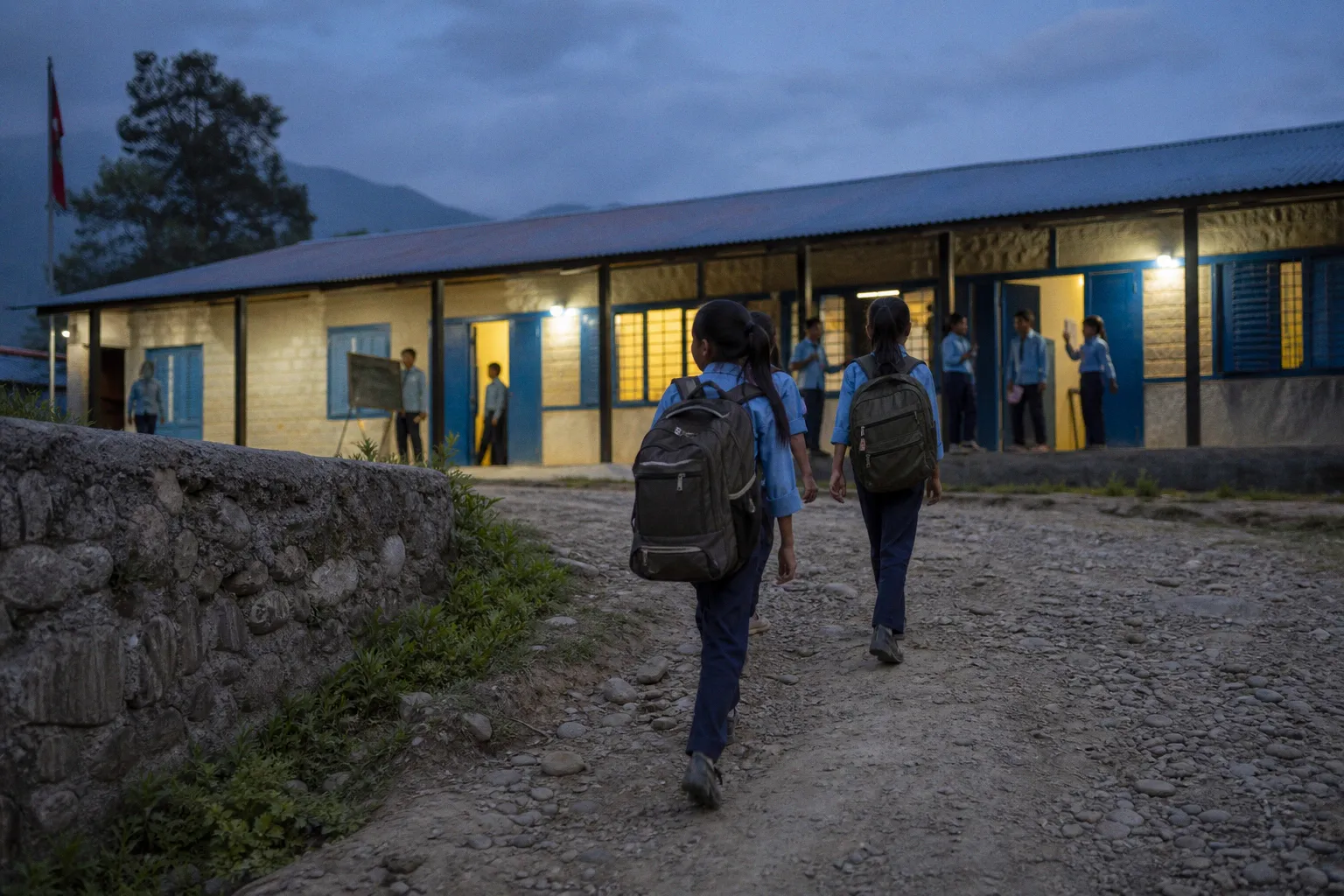
The Embassy of India in Kathmandu signed MoUs on Tuesday for eight community development projects across Nepal—education, health, agriculture—funded through Indian grant assistance. As reported by EdexLive, the agreements were inked between Indian embassy representatives and Nepali government agencies, but the announcement stops short of naming locations, project costs, or execution timelines. That's the gap that matters for anyone tracking the route.
Where the announcement stops short
Three sectors named. Eight project slots filled. No school list, no clinic list, no agriculture hub list. No district map. No procurement calendar. No contractor names. For a crew plotting the next leg, that's nothing to anchor against. India's development track record in Nepal already covers school and campus infrastructure, health facilities, and road works—same template, fresh batch. The portfolio runs into hundreds of school and campus builds and health-related projects to date, so this is continuation, not pivot. The funding route is familiar: grant money pooled at the embassy, disbursed through Nepali line agencies, executed at the district level.
Why this matters for our channel
We run grassroots school rebuilds across rural India—Uttarakhand hill blocks, Bihar's back districts, eastern UP. The supply chain doesn't bend much if these projects land close to our existing corridors. Cement, rebar, local labor, monsoon-safe windows. The terrain on the Nepal side shares the same friction: remote blocks, seasonal access, fluctuating material costs. If any of the eight projects fall near our riding routes, the coordination question is direct: do we work alongside the embassy-funded build, or do we route around it? That depends entirely on which districts get picked and whether the grant money covers the community-level pieces or stops at the structural shell.
The friction layer
Government-to-government funding moves differently than grassroots mobilization. The embassy handles the diplomatic layer. Nepali agencies handle the permit and labor layer. The community handles the long tail—maintenance, supply, teacher retention, parent engagement. That's where our biker networks usually plug in. We don't lay foundations. We haul materials, run site visits, and keep community momentum alive between contractor drops. But you can't plug into a project sheet that hasn't been published. Without the district list, the construction schedule, and the budget breakdown, these eight slots remain a number, not a route.
What to watch
The Embassy of India typically publishes follow-up notes on funded projects. Watch for the district list, the sector split, and the implementation calendar. Application windows for community partnerships on similar tracks open on rolling cycles. If your network handles school infrastructure, hold the route plan until the project sheets drop. Pre-loading logistics on a press note is how supply chains get stranded. And if the project list emerges with site addresses, cross-check the riding corridors against your existing roster before committing fuel or crew.