How New Government School Support Schemes Are Reshaping Family Welfare
UK release this September, the British government is rolling out a back-to-school support package worth up to £1,200 per family through free meals, expanded breakfast clubs, and capped uniform prices.
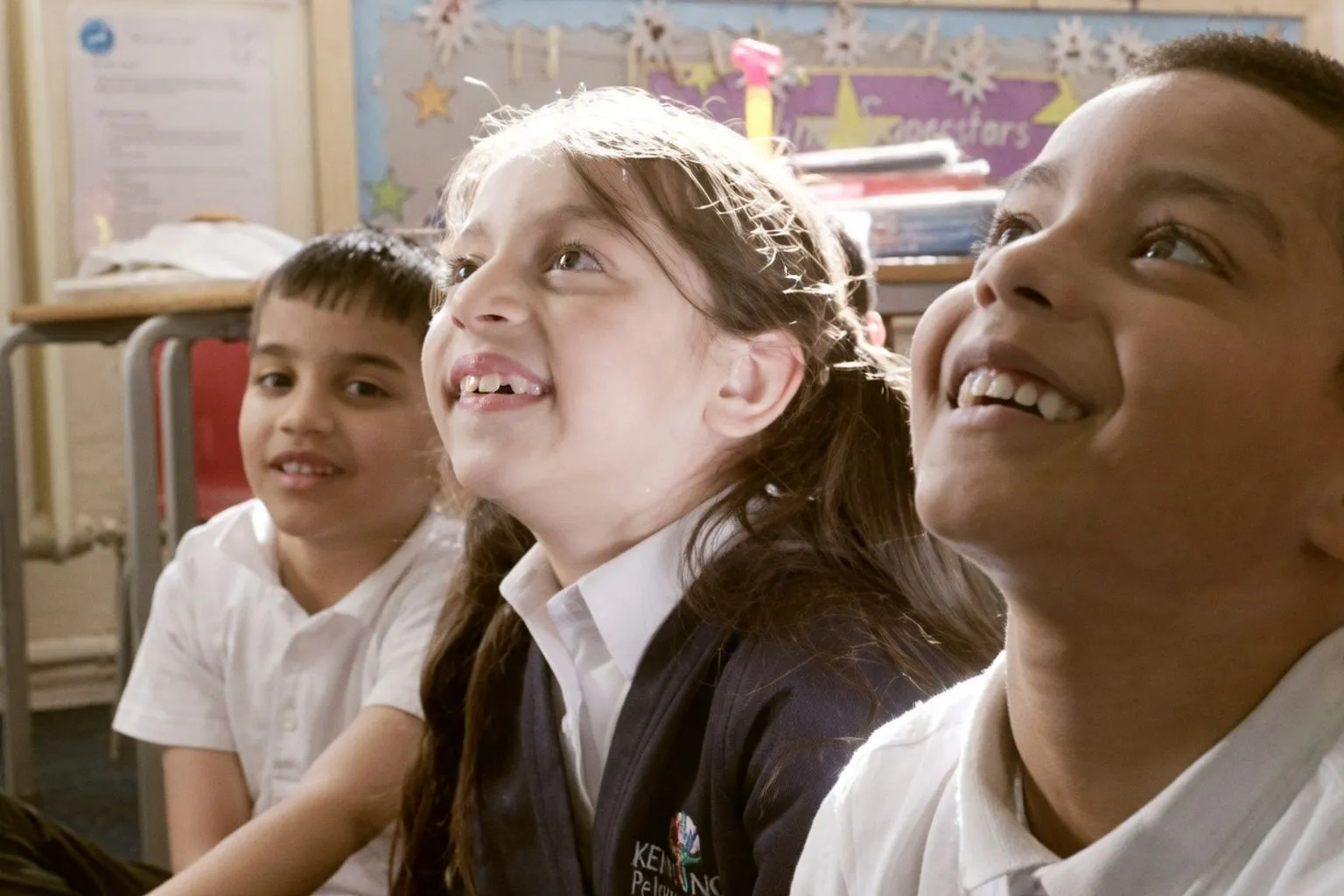
Per the GOV.UK release this September, the British government is rolling out a back-to-school support package worth up to £1,200 per family through free meals, expanded breakfast clubs, and capped uniform prices. For anyone who has loaded school kits onto a bike and ridden them into a village, the mechanics of this rollout are worth tearing apart — not to copy, but because the friction points are the same ones we hit on every supply run.
What the package actually does
Three pieces are stacked. Free school meals now cover more than 3 million children in families receiving Universal Credit, the main UK welfare payment. More free breakfast clubs are opening across the country, funded directly by the state. New caps are being placed on branded school uniforms to stop costs from climbing. Combined, a family could save up to £1,200 a year on the school side alone, and up to £8,000 if they're a working parent tapping government-funded childcare.
The operational detail matters more than the headline. Eligibility was tied to a single existing benefit rather than a narrower means test, which cuts paperwork and lifts uptake. Timing is deliberate: the package lands at the start of term, when the bills hit hardest. The government frames the result as the largest reduction in child poverty in a single parliament since records began. That's politics. The mechanics are what we can actually learn from.
Pressure points, and where we fit
GOV.UK cites its own research showing a third of parents cut back on treats or batch-cook to stretch term-time budgets, and roughly 1 in 10 have turned to a food bank or community service. More than 80% of surveyed parents said free meals, breakfast clubs, and childcare would ease the squeeze. Those figures aren't here to generate sympathy for UK families. They map the exact pressure points we see in our own schoolhouse communities: books, uniforms, mid-morning meals, the transport cost of getting a child to a functional classroom. Every line item carries a friction tax.
We are not going to deliver a welfare state on two wheels. What we can do is study where the savings stack up and target those gaps in our own kit drives. Pick one high-friction cost — uniforms, a term's worth of textbooks, a meal program — and guarantee every child in a target village has it covered before the bell rings. Layer small, named, recurring supports instead of one big annual drop. Make the pickup point obvious, the paperwork zero, and the timing tight: kits ready before the academic year opens, not three weeks in. That is the same playbook. Just a different scale.