Givan’s Integrated Education Framework: Lessons for Grassroots School Builders
According to the Department of Education Northern Ireland, Education Minister Paul Givan has dropped a position paper pushing integrated education forward with strategic measures and tighter data…
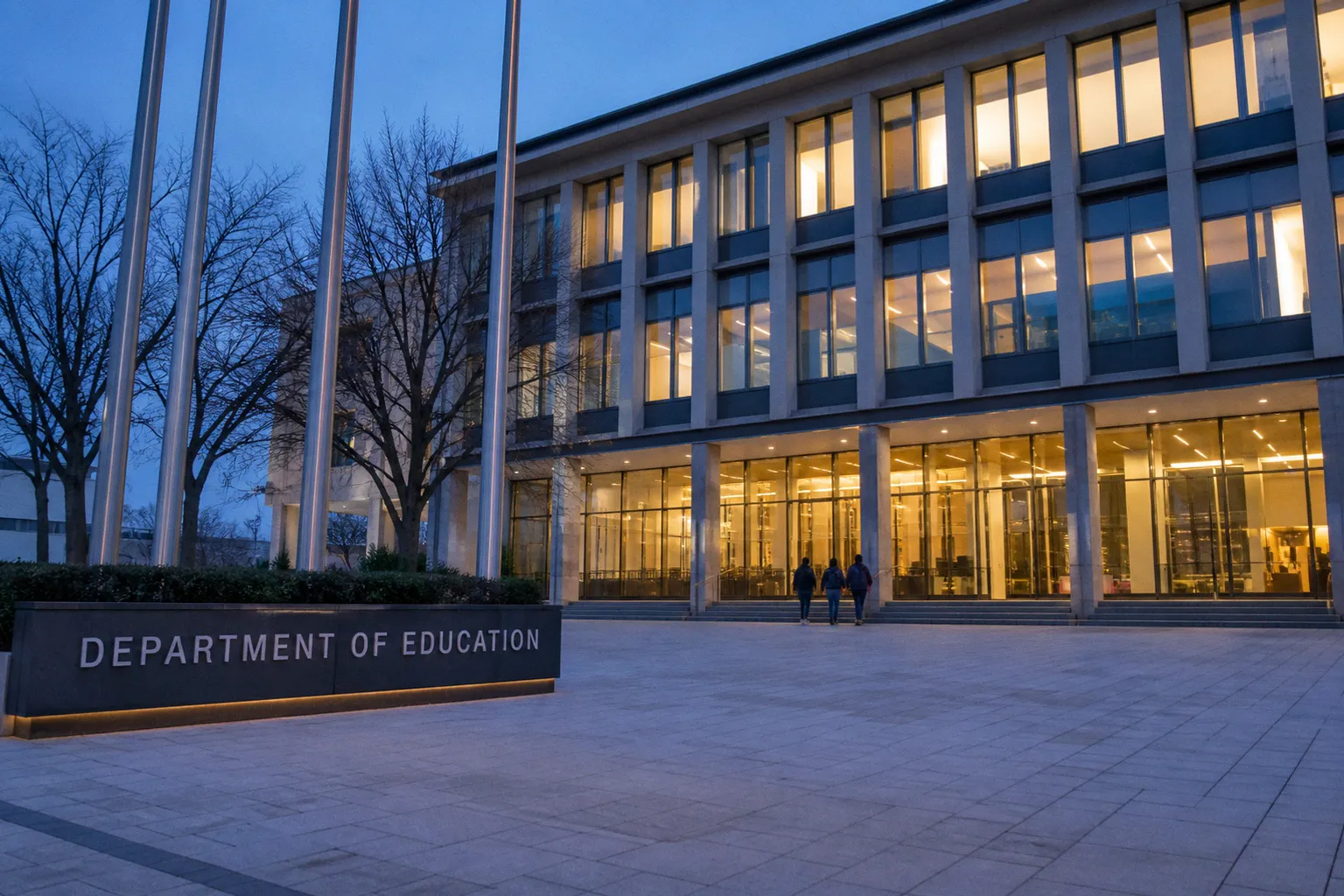
According to the Department of Education Northern Ireland, Education Minister Paul Givan has dropped a position paper pushing integrated education forward with strategic measures and tighter data collection on community backgrounds across local schools. The document landed August 28, and it is worth a hard look from any grassroots crew rebuilding classrooms on dirt roads — not because the policy travels to our villages, but because it shows exactly how the top-down machine thinks before it reaches the ground.
The torque at the top
Givan's paper does two things, per the Department announcement. It lays out strategic measures to advance integrated education, and it tightens the data collection on community backgrounds so administrators can see who sits where in the school system. Read that as policy language: build the framework first, count the kids second, then move bodies into the same buildings. Clean logic. Standard government wrench — turn at the top, hope the bolt at the bottom moves.
For us, the gap is obvious. We do not have a position paper. We have a route plan, a truck with bad suspension, and a stack of bricks waiting at the next panchayat. Givan's framework assumes buildings already exist and the problem is who fills them. Our problem is that the building does not exist, or the roof is open to the sky, or the blackboard is a painted wall.
What the field crew should borrow
A few practical reads from the NI paper, without borrowing its scale:
- Data before concrete. The Department wants better demographic tracking before it acts. We need the same — which villages have functional classrooms, which have half-collapsed ones, which have nothing. That map is the first deliverable on any ride, not the last.
- Integration is a policy term there. For a rural biker network, integration means the school actually serves every caste, every gender, every disability status that walks through the gate. The logistics question is identical: how do you make sure nobody gets filtered out at the door?
- A position paper is not a classroom. It is a signal. Ministers write papers; we pour foundations. Different torque, different tool, same job.
What to track
Watch for funding lines attached to the NI strategy — integrated education budgets in Northern Ireland tend to follow the paper within twelve to eighteen months. The real question for our route is whether any state-level Indian education body issues similar strategic measures for rural school infrastructure, and whether those measures route actual material to the villages we serve or stop at the district office. If they stop at the district office, we already know what to do — load the truck and ride.