FIMER India Partners with Aapat-Sahaaya to Support Rural Education Through CSR
According to a report carried by ThePrint, FIMER India has run a CSR education initiative with the Aapat-Sahaaya Foundation for rural schools in Karnataka.
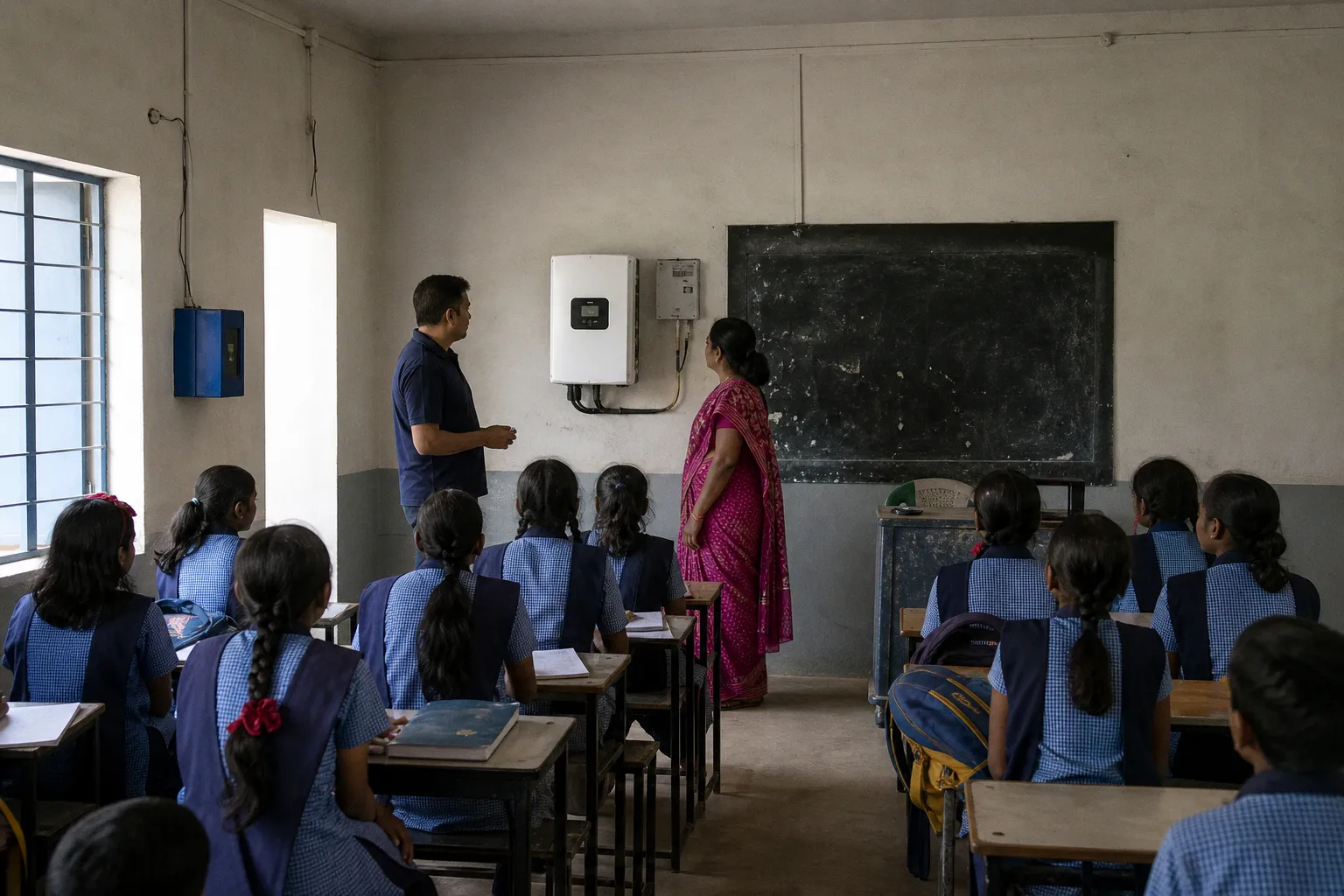
The load delivered was basic but useful: school kits with notebooks, stationery and other learning supplies, plus support routed through the Vidyanidhi Scholarship Scheme. For volunteer riding groups, this is the reminder we keep needing: before we haul paint, desks or banners to a school, check what is already on the ground and who owns the follow-through.
The report says 20 students were selected for scholarships this year on academic merit and financial need. FIMER India’s team, including CHRO Payal Poonacha, also visited Veena Makkala Mandira, one of the participating schools, to hand over kits.
Kits solve one gap, not the whole route
A notebook and a working pen are not infrastructure. They do, however, remove a direct cost from a family at the start of a school year. That matters when the alternative is a pupil arriving without the basic material needed to stay in class and keep pace.
The Aapat-Sahaaya Foundation describes its work more broadly: school infrastructure, learning resources, teacher support and holistic development programmes for rural and underprivileged children. That is the operational point worth holding onto. The kit is a component. It should not become the entire project plan.
FIMER says its contribution was deployed through the Vidyanidhi Scholarship Scheme. The published material does not specify scholarship amounts, duration, the number of schools receiving kits, or how supplies will be replenished. We should not torque a press release into outcomes it does not document.
Build the handover around the school, not the convoy
For crews planning a school-support ride, this case gives us a clean order of work. First, speak with the headteacher and map the immediate shortage: attendance registers, notebooks, water access, roof repairs, teaching materials, or something else. Second, anchor responsibility locally. A delivery without a named school contact and a record of what arrived is just cargo shifted from one vehicle to another.
Third, separate recurring needs from one-time fixes. Stationery runs out. A scholarship needs clear selection and continuity. A repaired classroom needs maintenance. Different loads, different budgets, different people accountable.
The report says the kits were intended to reduce pressure on families and support school readiness, attendance and continued learning. Those are reasonable aims. They are not yet measured results. Riders and donors should keep that distinction intact.
What to check before the next school run
Confirm the school, the recipient list and the person receiving materials. Count every carton before it leaves and again at handover. Ask whether the supplies match classroom use rather than a sponsor’s standard bundle. If scholarships are involved, ask who selects recipients and what support covers.
Then leave a contact trail, not just tyre marks.
School support works when the route is mapped, the load is needed, and somebody remains after the bikes are gone.