Apply for the WHO IBP Network SPARK Grant to Fund Community Health Initiatives
The WHO/IBP Network just dropped a funding line worth up to $20,000 per organization, aimed at youth-led, women-led, and Indigenous-led outfits working where reproductive health, education…
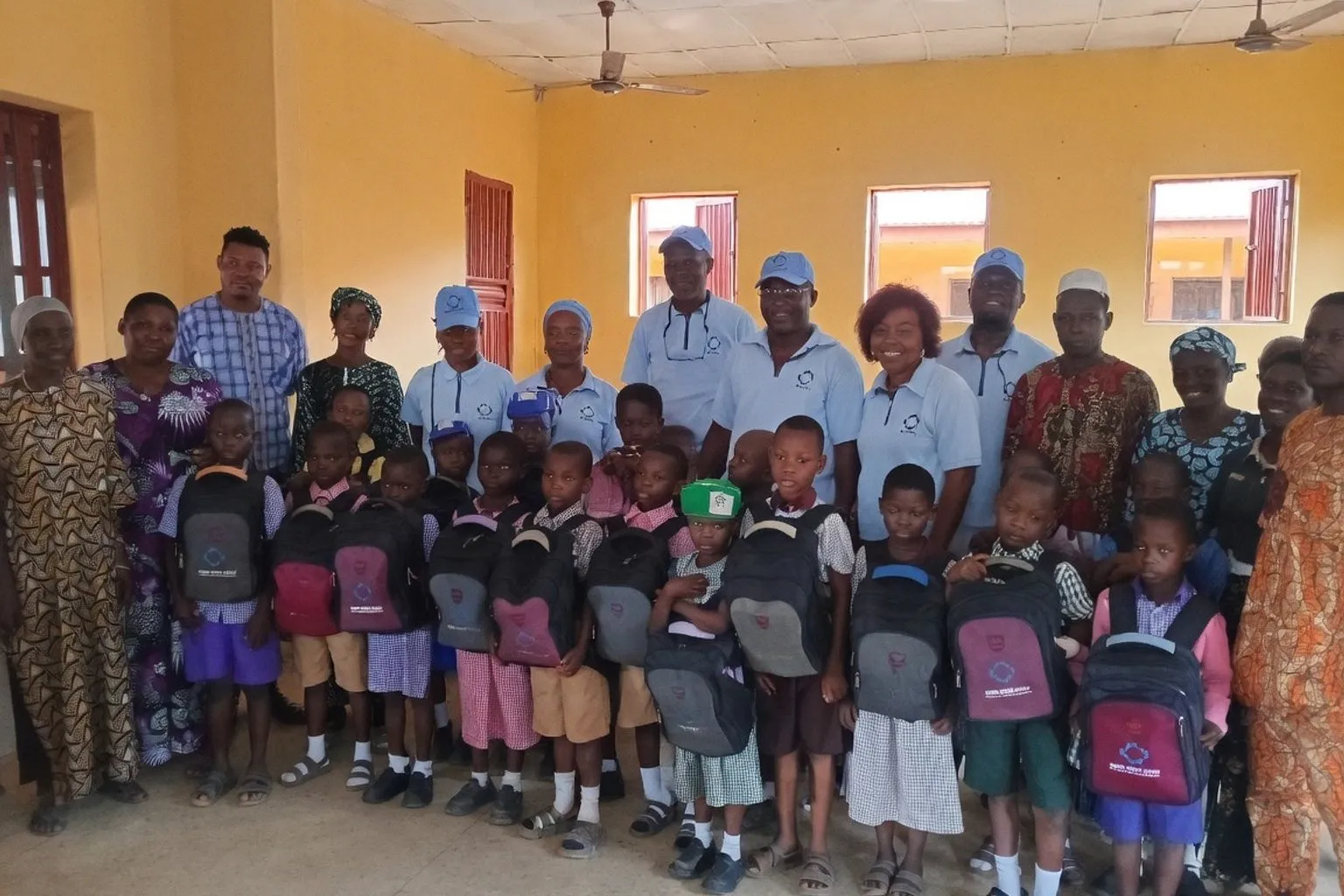
Call for IBP network SPARK grant proposals
The WHO/IBP Network just dropped a funding line worth up to $20,000 per organization, aimed at youth-led, women-led, and Indigenous-led outfits working where reproductive health, education, livelihoods, and climate collide. For crews running small, community-anchored work in tribal India, this is one of the rare global pots sized to our scale. Torque down the romance and read the spec sheet before you fire up the application.
What the grant actually pays for
The program — SPARK, short for Shifting Power through Action and Reciprocal Knowledge Exchange — sits inside the WHO/IBP Network and pays community-based organizations to take WHO guidelines and tools, adapt them on the ground, and pull sexual, reproductive, maternal, newborn, child and adolescent health into sectors beyond traditional health programming. Education is on the list. Climate is on the list. The ask is integration, not siloed health work.
Award ceiling is $20,000. Money goes direct to the applicant — no middle layer skimming the top. Technical support, access to relevant SRMNCAH guidelines and tools, and a seat in IBP's Communities of Practice for peer exchange come bundled.
Friction points in the eligibility frame
Three leadership lanes are open: youth-led, women-led, or Indigenous-led. Your outfit has to be community-based, work directly with the population it serves, and carry prior implementation experience with at least one WHO guideline, tool, or product. Priority goes to organizations new to WHO/IBP Network funding that show strong community accountability.
Here is the catch: you need a track record with WHO materials, yet newcomers get the priority lane. If you are a fresh outfit with zero WHO tool history, the application has to show how you plan to bridge that gap fast, not skip it. The geographic goal is at least one grantee per WHO region. India sits inside the South-East Asia Region. That is our lane.
The 500-word choke point
The application starts with a concept note, hard cap 500 words. Five required blocks: organizational overview, proposed activity, power-shifting approach, timeline, and documentation and learning plan. That is roughly 100 words per block if you split it even. Tight. If your org story runs long, cut it to the chassis before you write the activity design.
Pre-application checklist
- Confirm South-East Asia Region eligibility before you write a line.
- Audit which WHO guideline or tool you already use, even informally.
- Draft the 500-word note in five 100-word blocks.
- Show power-shifting in design and decision-making, not just delivery.
- Lock the documentation and learning plan now, not at project end.
- No deadline is confirmed in the materials on hand. Watch the WHO/IBP Network channels for the cutoff and build your timeline backward from there.